


How to Keep Your Elderly Parent at Home Safely: Practical Tips for Caregivers
As an adult child, you may want to help keep your elderly parent at home safely. Ensuring their safety while maintaining their independence requires careful planning and proactive measures. At Options for Senior Living, we’re here to support you with expert guidance at no charge to your family. Below, we share practical tips on how to keep your elderly parent at home safely, addressing common challenges and care needs.
Why Keeping Your Parent at Home Matters
Aging in place allows your parent to stay in a familiar environment, which can boost their emotional well-being and sense of independence. However, safety is a top priority to prevent accidents, manage health conditions, and ensure their quality of life. By making thoughtful adjustments, you can create a safe and supportive home environment for your parent.
Key Steps to Keep Your Elderly Parent at Home Safely
To help your parent live safely at home, consider these essential strategies:
1. Assess and Modify the Home Environment
-
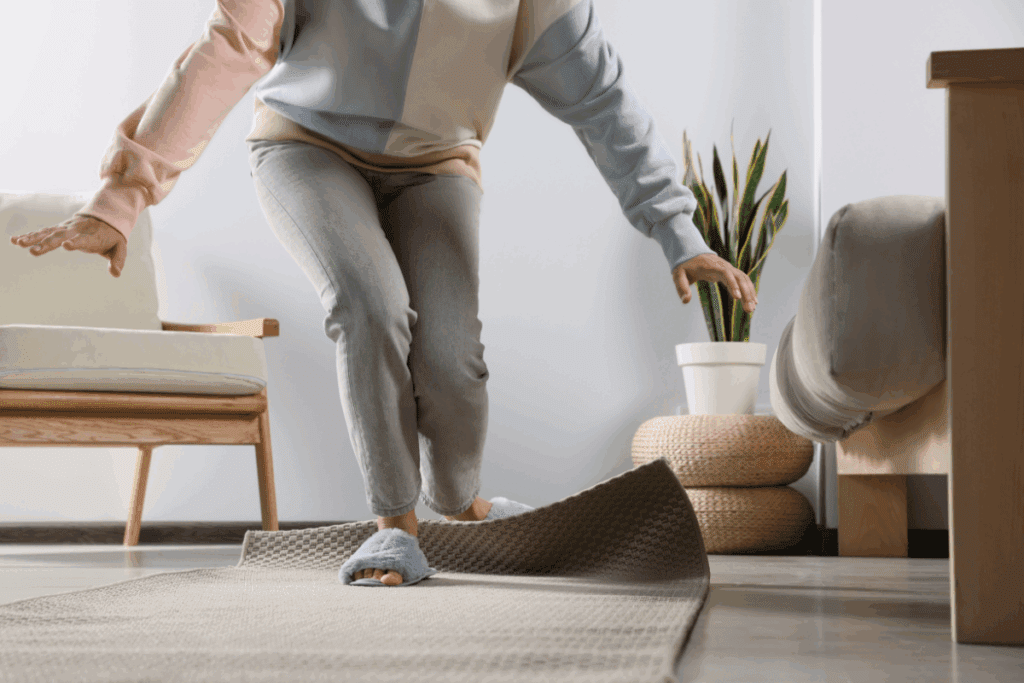
Remove Hazards: Clear clutter, secure loose rugs, and ensure walkways are free of obstacles to prevent falls.
-
Improve Lighting: Install bright, motion-sensor lights in hallways, staircases, and bathrooms to enhance visibility.
-
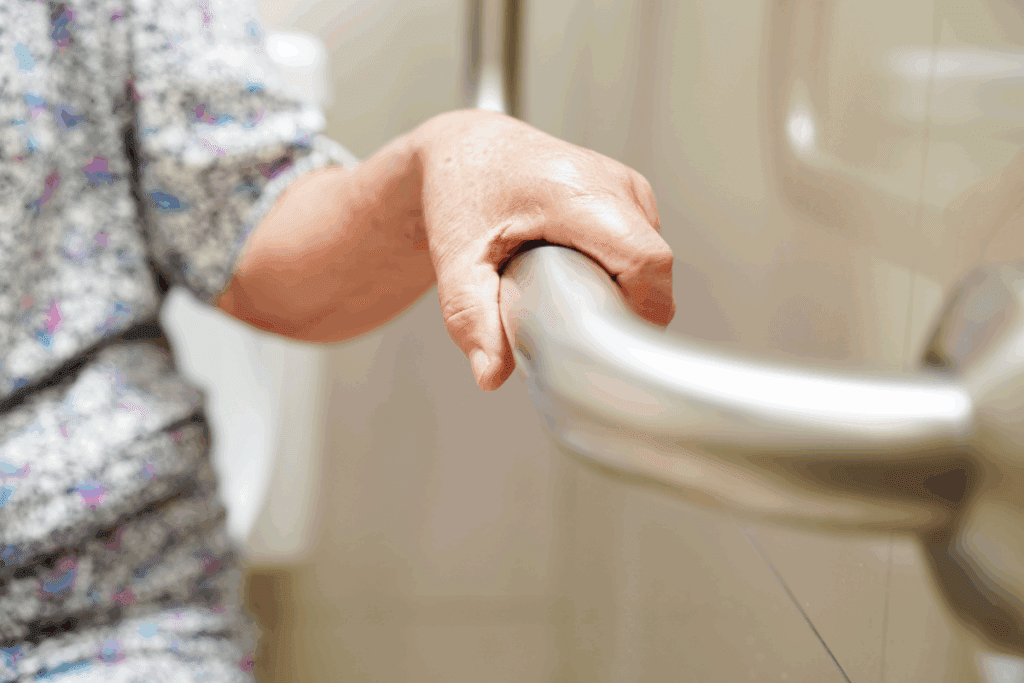
Add Safety Features: Equip the home with grab bars in bathrooms, non-slip mats, and a raised toilet seat to support mobility.
-
Simplify Access: Use ramps or stairlifts if your parent has mobility issues, and keep frequently used items within easy reach.
2. Address Health and Medical Needs
-
Manage Medications: Use pill organizers or automatic dispensers to ensure your parent takes medications on time. Consult their doctor to review medications for potential side effects.
-
Schedule Regular Checkups: Routine medical visits can catch health issues early, especially for chronic conditions like diabetes or dementia.
-
Consider Medical Alert Systems: A wearable alert device can connect your parent to emergency services if they fall or need immediate help.
3. Support Daily Activities
-
Assist with Personal Care: If your parent struggles with bathing, dressing, or grooming, hire in-home caregivers or assist them yourself to maintain hygiene and dignity.
-
Ensure Proper Nutrition: Plan easy-to-prepare, balanced meals or arrange meal delivery services to support their health.
-
Encourage Light Activity: Promote safe physical activities, like gentle stretching or short walks, to maintain strength and mobility.
4. Enhance Social Engagement
-
Combat Loneliness: Arrange regular visits from family, friends, or community groups to keep your parent socially connected.
-
Explore Local Programs: Look for senior centers or virtual activities that offer social opportunities, such as book clubs or hobby groups.
-
Use Technology: Set up video calls or simple devices to help your parent stay in touch with loved ones.
5. Monitor for Cognitive or Behavioral Changes
-
Watch for Dementia Signs: Memory loss, confusion, or poor judgment may indicate the need for additional support, such as in-home care or a dementia evaluation.
-
Ensure Safety with Cognitive Decline: Install door alarms or locks to prevent wandering, a common concern for those with dementia.
6. Leverage Professional Support
Keeping your parent at home safely may require professional help. In-home caregivers can assist with daily tasks, medical care, or companionship. Options for Senior Living can connect you with trusted in-home care providers at no cost to your family, ensuring your parent’s needs are met.
When to Reconsider Aging in Place
While many seniors can stay at home with the right modifications, there may come a time when their needs exceed what you can safely provide. Signs it may be time to explore assisted living or other care options include:
-
Frequent falls or serious safety risks
-
Inability to manage daily tasks, even with help
-
Caregiver burnout from overwhelming responsibilities
-
Significant cognitive decline requiring constant supervision
If you’re unsure whether your parent can safely remain at home, Options for Senior Living offers free consultations to assess their needs and explore all available options.

How Options for Senior Living Can Help
At Options for Senior Living, we understand the importance of keeping your elderly parent safe and comfortable at home. Our team provides personalized, no-cost guidance to help you find in-home care, home modification resources, or alternative solutions like assisted living if needed. We’re committed to supporting your family every step of the way, at no charge.
Take the Next Step
Helping your elderly parent age in place safely is achievable with the right strategies and support. Start by assessing their home, addressing their health needs, and exploring professional care options. Contact Options for Senior Living today for free, expert advice to ensure your parent’s safety and well-being.
Call us at 602-845-1320 or email us at support@optionsfsl.com to learn how we can help your family at no cost.