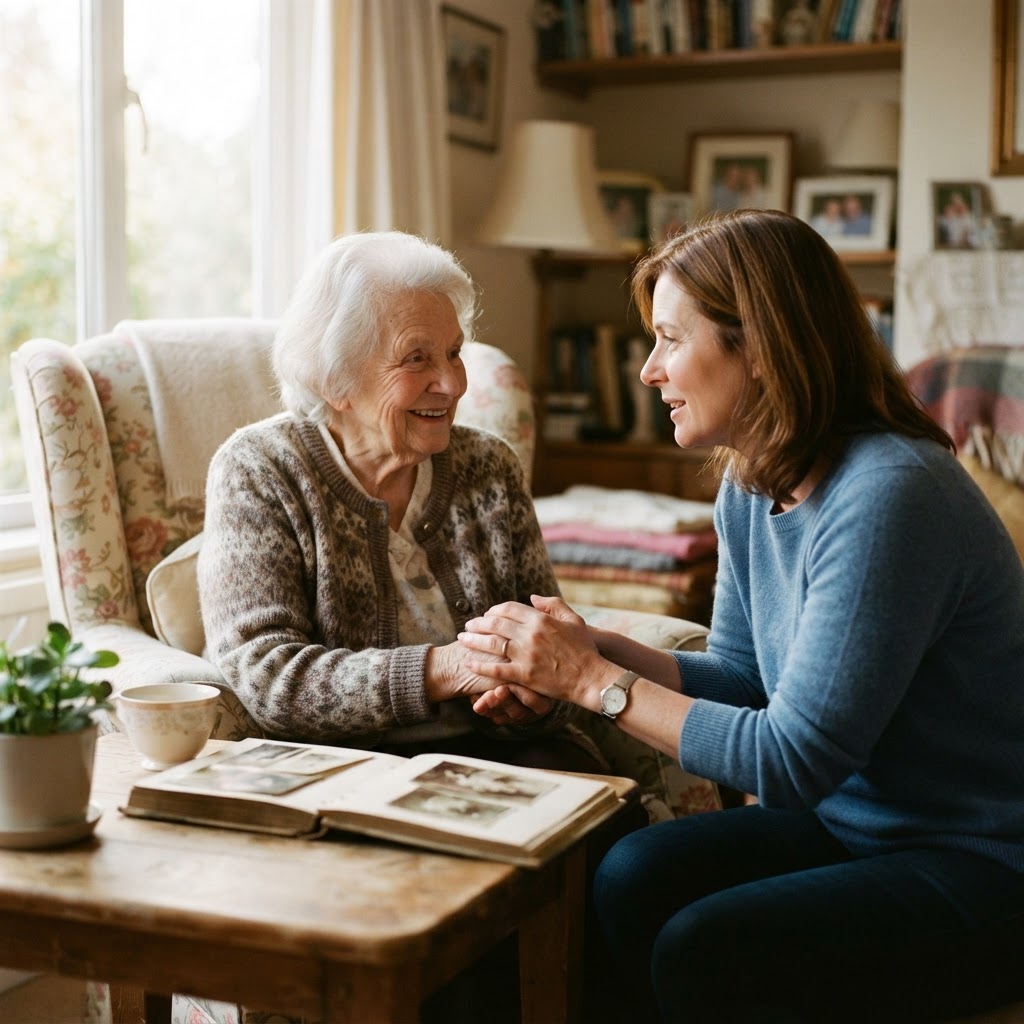
Memory lapses like forgetting where you parked your car or calling someone by the wrong name are normal and happen to the best of us. However, as you age, forgetfulness tends to occur more often. If you have an aging loved one, you begin to question if the memory lapses are normal or a sign of dementia. Dementia occurs gradually and in stages.
What is Dementia?
Dementia is the persistent disorder of mental processes caused by brain injury or disease. It causes personality changes, memory lapses, and compromised reasoning. While many confuse Alzheimer's disease with dementia, it is imperative to note that dementia is a general term used for many brain function symptoms. Alzheimer's is a specific type of dementia.
How to Diagnose Dementia
Although there is no one way to diagnose dementia, doctors use everything at their disposal to do so — laboratory tests, medical history, and physical examination. They also assess daily changes in behavior and decision-making. Dementia can only be confirmed 100% when an autopsy is performed.
Early Dementia (Very Mild to Mild Cognitive Decline)
At this stage, forgetfulness is mild and is often only apparent in hindsight. The person may have trouble handling money, make poor decisions, be unable to adapt to change, have difficulty concentrating, experience general memory loss, and may become confused about time and place.
Moderate Dementia (Moderately Severe Cognitive Decline)
As moderate dementia sets in, the symptoms become apparent and troubling. The person may neglect self-care and nutrition, see or hear things that aren't there, become repetitive, get lost in familiar surroundings, forget the names of friends and family, or become angry and upset due to frustration and confusion.
Advanced Dementia (Very Severe Cognitive Decline)
At this stage, your loved one is severely disabled and requires full-time care. They may have uncontrolled movements, permanent immobility, be incontinent, fail to recognize everyday objects, lose the ability to use speech, and show no recognition of family and friends.
What to Do If You Think Your Senior Has Dementia
If you notice any cognitive or behavioral changes in your aging loved one, seek professional assistance from a healthcare professional. Once a diagnosis is received, the phases above will help you select the correct course of action and care.
If you require assistance in making a decision, get in touch with us. We can help you find local long-term senior living resources at no cost to your family. Call 602-845-1320.